
Learning online poker texas holdem position can sharpen your decisions at the table, especially when you are checking game details on a phone between other activities. Position matters because it determines when you act, how much information you receive and how readily you can respond to an aggressive bet. A crowded Adelaide tram is a useful comparison: the people nearest the door are not playing a different game, but they have less space and less time to react. Mobile poker creates similar constraints. You need clear seating information, quick controls and enough screen detail to read the action without guessing. This walkthrough covers how a player encounters table positions, tests them in practice, fits them around a session and evaluates the experience on smaller devices.
Reading the Table from Your Phone
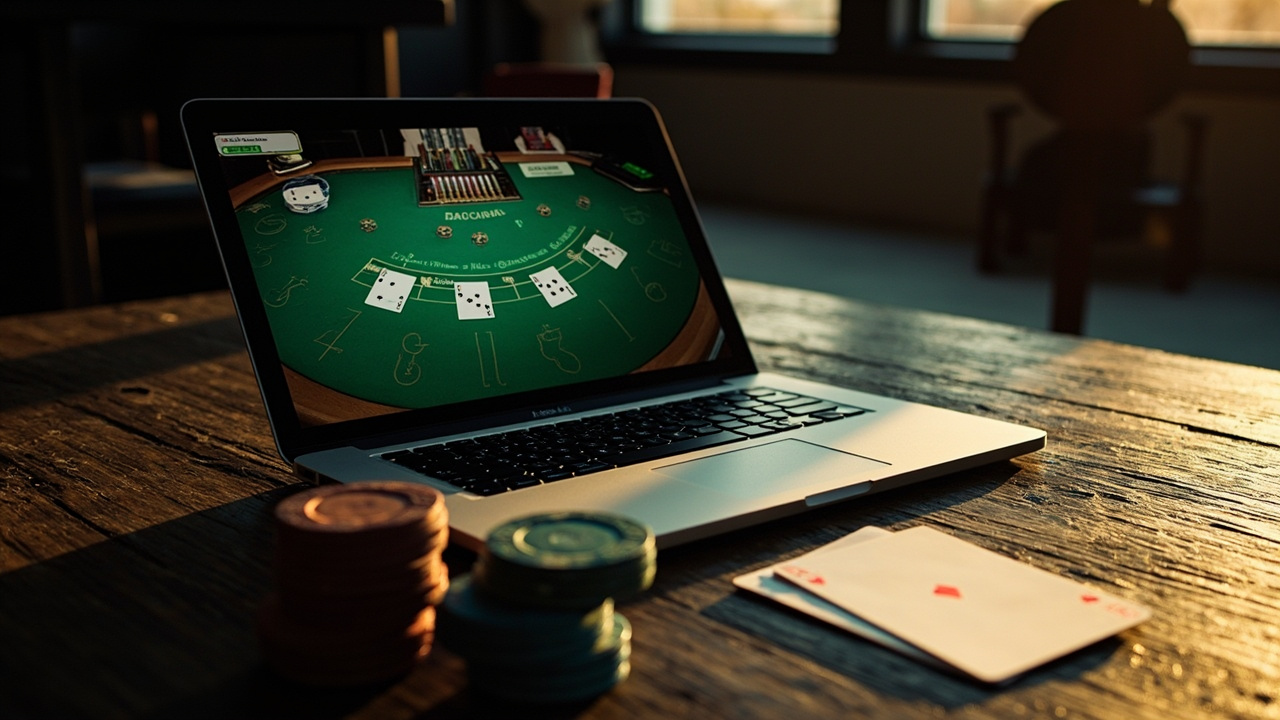
A poker table usually places each player relative to the dealer button. That button marks where action begins, then the blinds follow, followed by pre-flop, flop, turn and river betting rounds. In online poker texas holdem position, early positions act first and face more uncertainty, while later positions can respond after seeing more cards. On mobile, the dealer marker and active-seat highlights should remain obvious even when the interface is scaled down. Some interfaces show a compact mini-map, while others keep the table visible above the action bar.
For a practical first session, choose a low-stakes table and note your position for every hand. Do not assume the latest hand still describes your seat; multi-table play can move you between positions. A seat map that clears after each round makes this harder than a full-size monitor. Rotate the phone horizontally if the app supports it, but never sacrifice legibility for a larger table graphic. The key test is simple: can you identify the button, your hole cards and whose turn it is within a second? If yes, the mobile layout is doing its job.
Turning Position into a Clear Routine
Position is most useful when it shapes a repeatable routine rather than becoming another piece of jargon. Early-position hands generally offer fewer immediate options because several players can still act. Middle positions balance information against the risk of being squeezed. On the button, you can usually see what develops before deciding, while the blinds face pressure to act quickly and often defend a wider range.
In online poker texas holdem position practice, use prompts rather than automatic rules. Ask: How many players remain? Has anyone raised behind me? Is this spot strong enough to continue? A player on a late position can choose to enter a pot more often, but that does not make every hand playable. Position gives you information and choice, not permission to ignore your cards or the size of the bet.
Keep the interface honest by using the same display settings throughout a session. The term “active seat” means the player currently required to act, and “action bar” refers to the controls used to fold, check or bet. If those controls are hidden behind a menu, practise reaching them before entering real-money tables. That is comparable to checking the route on a delayed Sydney train: knowing the destination helps only when you can find the controls when they are actually needed.
Fitting a Mobile Session Around Adelaide
A sensible mobile session begins before the app is opened. Choose one table, set a time reminder and decide the maximum amount you are willing to spend before tapping into any cash game. Then inspect the table layout, hand-history button and cash-out control. A quick settings check is more valuable than racing through several hands while trying to remember what the software does.
App performance matters because poker decisions do not wait. Repeated pauses, delayed bet controls or cards that fail to update can cause missed timeouts, even when the underlying strategy is sound. Keep the device charged, close unnecessary applications and use a stable connection rather than depending on public Wi-Fi. In a busy Adelaide café, that might mean relying on mobile data, though connection quality will vary.
The term “time bank” refers to the extra time granted to a player making a decision. More time does not automatically improve a decision, but an unfamiliar interface can make a good decision impossible. Use practice or play-money modes first, where available, to learn where the bet slider sits and how to confirm a wager. Online poker texas holdem position is easier to process when you can see the table and controls together without pinching and zooming after every bet.
Judging the Overall Mobile Experience
The strongest mobile poker experience does not simply place every desktop feature on a small screen. It prioritises the information needed for the current decision, keeps action controls reachable and makes position obvious. Navigation should return you to the same table and settings without repeatedly restarting the app. Hand history should also be available without obscuring the live table, particularly when reviewing whether a position-based choice actually worked.
Do not confuse activity with quality. A busy table can be enjoyable, but it creates more visual information to process, much like a Saturday queue at a Bunnings sausage sizzle. Fewer tables, readable labels and consistent seat markers generally make for a calmer session. Test the app on your own phone rather than judging it from a demonstration on a larger display.
For more background, SimpleCSR’s online poker guidance offers a useful starting point for researching gaming services responsibly. A separate perspective on smarter decision-making appears in this Texas Holdem Position discussion, which connects position with more disciplined casino-style choices. Players should confirm the operator’s legal status, licensing terms, age requirements and available payment methods for their location, and never assume an overseas service is licensed or regulated in Australia.
A final mobile check should cover the entire journey: registering with correct details, depositing through a supported Australian payment method, joining a game, understanding the seat map and leaving the table cleanly. Support should be easy to locate, and account limits should remain accessible during play. Any loyalty rewards should be examined for the wagering conditions, expiry dates and eligible games rather than treated as cash. The Eiffel Tower replica’s legs pierce into the casino floor in the themed setting, but decoration should never compete with the practical information needed to play.
Position gives poker a useful framework, while mobile usability determines whether you can apply that framework under pressure. Learn the seat order, practise with the interface and set firm session limits before playing for money. A clear table, responsive controls and sound account practices will not remove poker’s risks, but they can reduce avoidable mistakes.
- Dealer button: The marker that establishes where the hand’s action begins.
- Early position: A seat near the button, where you must act before much information is available.
- Late position: A seat after several players have acted, allowing more informed decisions.
- Action bar: The controls used to check, fold, call or bet.
- Time bank: Extra time available to make a decision.
- Hand history: A record of completed hands and betting actions.