
Most Australians who shop around for an AUD cash table want the numbers to line up with their own habits, not some overseas template. When you punt on side bet city aud cash, the real test is whether the interface, the localisation, and the everyday payout rhythm actually suit a local player who expects things to run on Australian time. I have spent years juggling Japanese, English, Mandarin and French VIP desks, and the pattern is always the same: a flashy lobby means nothing if the cash flow and the language cues feel borrowed. This guide walks through the questions you should weigh before you commit, with a few concrete checks that separate a workable setup from one that just looks tidy on paper.
What the table actually asks of you before you sit down
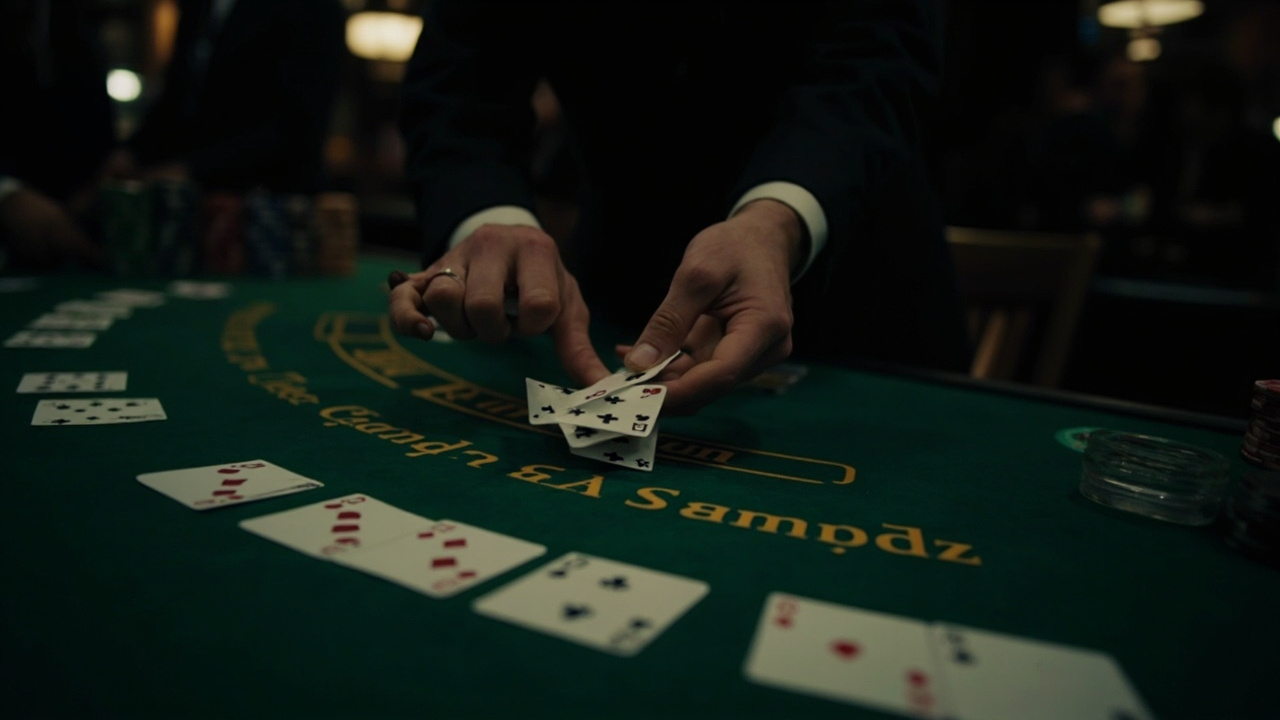
A solid AUD cash table should tell you what it is doing within a few clicks, not make you hunt through menus. The visual identity matters more than most punters admit, because a cluttered layout turns a quick session into a chore. Navigation should be straightforward enough that you can move from the main game to a side wager without relearning the screen every time. Language and currency cues need to sit where you expect them, with AUD front and centre rather than buried under a generic dollar symbol that could mean anything. Search should behave like search, not like a riddle, so you can pull up a specific table or promotion without clicking through half a dozen dead ends. I once watched a Tokyo floor manager explain the same point to a French high roller who was used to a completely different registration flow: when the local cues are wrong, even a patient player starts second-guessing the numbers. That is the kind of friction you want to catch early, before you have committed any real money to the table.
How the cash side behaves when you are actually playing
The side bet mechanic is where the setup either earns its keep or starts feeling like an afterthought. You want the payout rhythm to be predictable enough that you can track your own position without doing mental arithmetic every minute. Chip handling matters here, and it is worth remembering that chip counterfeiting has occasionally forced emergency recolours at comparable floors, which is exactly why a clean, consistent cash presentation is not just cosmetic. When you punt on side bet city aud cash, the cash side should feel like a separate but connected stream, not a loose add-on that resets your sense of where you stand. Payments and currencies should stay in AUD throughout, with registration that does not ask you to re-enter the same detail three times just to get to the play screen. Mobile access should hold its shape when you shrink the window, because a lot of local players are checking a table during a lunch break or an arvo session, not sitting at a desk. Support should be reachable without a maze, and loyalty should reward regular play in a way you can actually see, not a points system that vanishes into a vague tier name. big bass floats my boat
A quick walkthrough for anyone new to the cash side
If you are fresh to the side bet cash setup, keep it simple and build your own rhythm before you try to stretch it. Start with these steps and treat them like a checklist rather than a race:
- Open the table and confirm the currency reads AUD before you place anything, because a mismatched symbol can quietly change how you read the payouts.
- Watch the side wager flow on a couple of rounds without committing, just to see how the cash side tracks against the main game.
- Check the chip presentation and the counter display, since a tidy count makes it easier to spot when the numbers jump in a way that feels off.
- Note how fast the table loads on your phone, because a laggy screen turns a short session into a frustrating one.
- Read the loyalty terms in plain language, then decide whether the rewards actually match the pace you plan to play at.
I have seen Mandarin-speaking players in Cairns breeze through this in ten minutes because the cues were honest and the flow was predictable, and I have seen the same setup lose a French regular in the first minute because the registration asked for details the table never used. The difference is never luck; it is whether the table respects your time.
The questions worth answering before you commit
The honest comparison comes down to a few plain questions, and you should answer them with your own habits in mind rather than a marketing line. Does the interface let you move around without thinking about it, or are you constantly reorienting yourself? Is the localisation actually local, with AUD currency and language cues that feel natural instead of translated at the last minute? Does the cash side behave consistently, or does it feel like a separate product bolted on for extra turnover? Can you reach support without jumping through hoops, and does the loyalty setup reward the kind of play you actually do? Noah Carter, Head of Public Relations, Great Southern Betting Review, puts it plainly: a cash table only earns loyalty when the everyday usability matches the player’s own pace, not when the lobby looks busy. Grace Patel, Independent iGaming Expert, Brighton Beach Betting Lab, adds a useful caveat: players should treat any side wager as a separate line item in their own budget, because the cash flow can look tidy even when the pace is faster than expected. Aaron King, Digital Acquisition Director, Coral Coast Interactive, notes that registration friction is often the first sign a setup is not built for regular local play, so a smooth sign-up is worth more than a loud welcome screen. I have run VIP retention across four languages, and the players who stay are the ones who can answer those questions with a clear yes, not the ones who were sold on a promise they never checked.
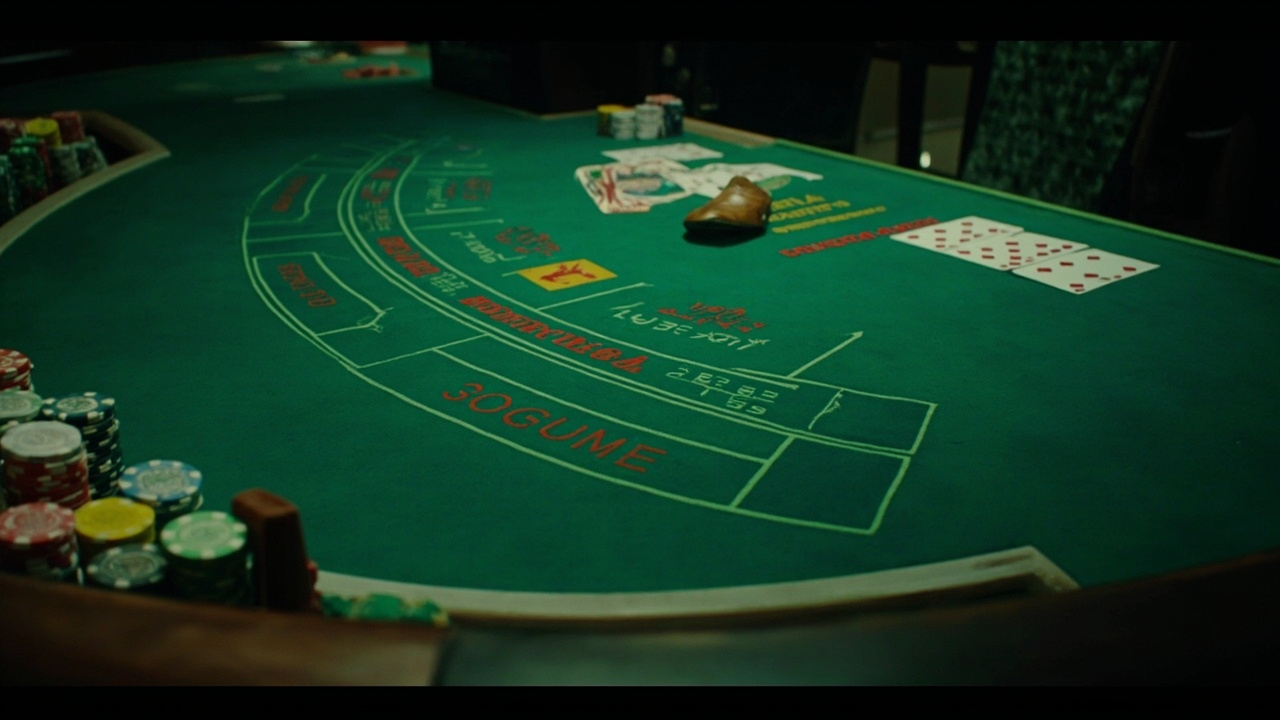
A sensible way to judge the whole setup is to treat it like a working table, not a brochure. If the AUD cash side, the side wager flow, and the everyday usability all line up with how you actually play, you are in a position to make your own call with your eyes open. If one of those pieces feels borrowed or clunky, it is usually cheaper to walk away than to hope it smooths out after a few sessions. No setup is risk-free, and no table can guarantee a result, so the only fair test is whether the interface, the cash rhythm, and the localisation fit the way you want to play.